The Importance of School Physicals: Keeping Kids Healthy and Ready to Learn

As families prepare for a new school year, one critical item that should be near the top of the checklist is a school physical exam. Often underestimated, these wellness visits play a vital role in supporting children’s health, safety, and academic success.
Why School Physicals Matter
A school physical — also called a preventative health care examination or well-child visit — is more than just a form to check off. It gives health providers the opportunity to look at your child’s overall wellbeing and development. According to the American Academy of Pediatrics (AAP), regular check-ups help:
- Build a current health history so doctors can monitor growth, development, and emerging health issues year-to-year. (HealthyChildren.org)
- Detect vision, hearing, cardiovascular, and other conditions that might affect learning or participation in school and activities. (HealthyChildren.org)
- Ensure vaccinations are up-to-date, protecting children and their classmates from outbreaks of serious diseases. (HealthyChildren.org)
- Provide a space to discuss emotional and behavioral health — including stress, sleep, nutrition, and screen time. (HealthyChildren.org)
- Address safety topics like bike helmets, sports injuries, and restful sleep routines. (HealthyChildren.org)
The AAP recommends children receive routine check-ups at least once a year, depending on age, to maintain a continuous picture of health and address emerging needs. (HealthyChildren.org)
State of Kentucky: School Physical Requirements
In Kentucky, public schools require specific preventative physical exams to be completed and on file before certain points in a student’s academic journey:
- Initial entry into public school or Head Start programs: Students must present a Kentucky Preventative Health Care Examination Form completed within the year for public school and within 6 months for headstart before starting school. (Kentucky Department of Education)
- Entry into 6th grade: A current physical exam within one year of starting sixth grade is required. (Kentucky Department of Education)
- Some local boards may also require a physical before entry into 9th grade or additional levels, depending on district policy. (Kentucky Department of Education)
In addition to school entrance requirements, sports physicals (pre-participation evaluations) are generally required each year for students participating in school athletics. These exams help ensure that students are physically prepared for the demands of sports and allow providers to spot any risk factors that could lead to injuries.
What Happens During a Physical
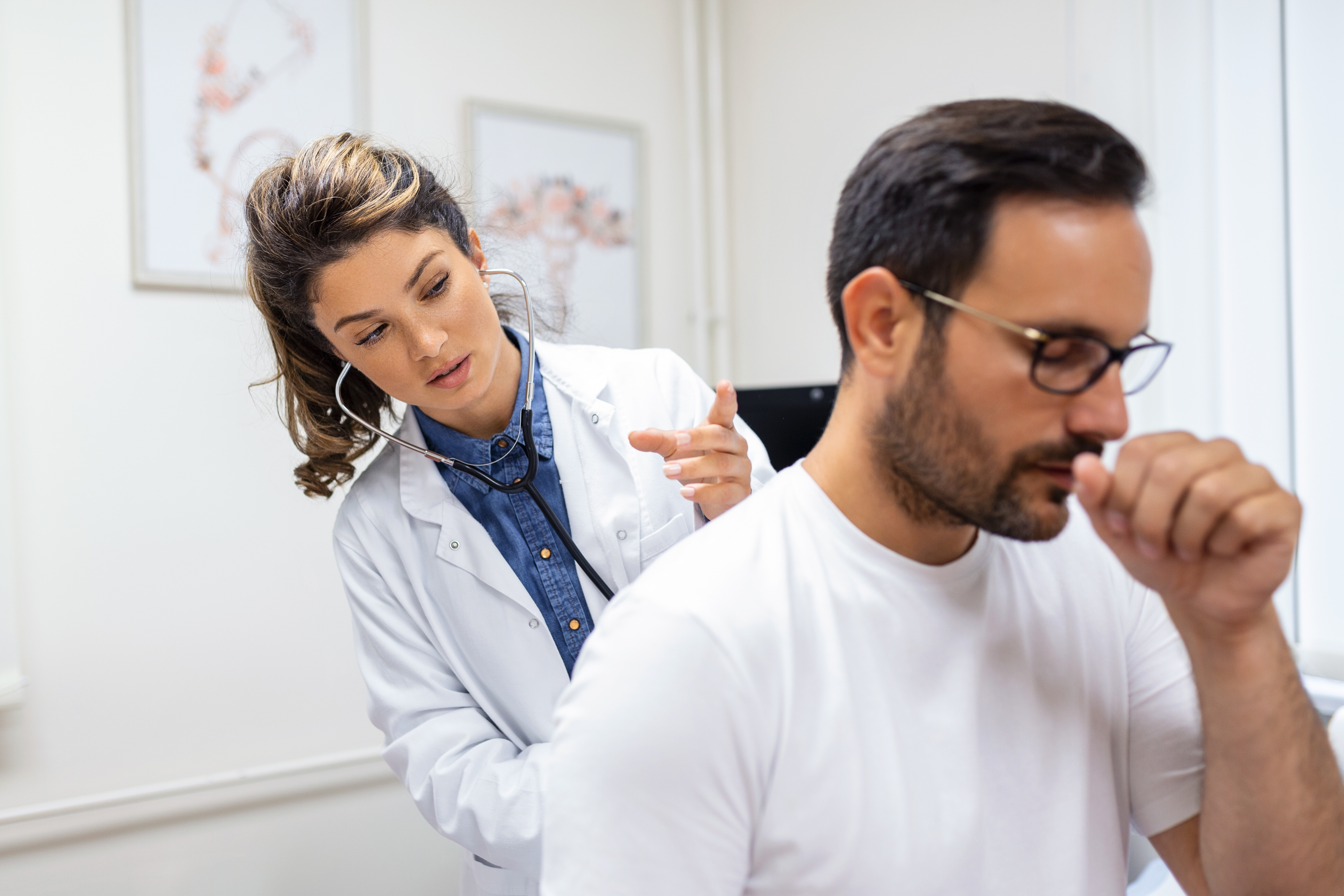
During a school or annual physical, a healthcare provider will:
- Record height, weight, blood pressure, and other vital signs. (HealthyChildren.org)
- Screen vision and hearing. (HealthyChildren.org)
- Review immunization history and administer needed vaccines. (HealthyChildren.org)
- Discuss any health concerns, from asthma and allergies to mood and school functioning. (HealthyChildren.org)
- Talk about safe physical activity and healthy habits. (HealthyChildren.org)
For students involved in organized sports, a sports physical covers many of the same elements and specifically reviews musculoskeletal health, cardiovascular risk factors, and overall readiness to participate in physical training and competition. (HealthyChildren.org)
Setting Kids Up for Success
School physicals aren’t just a box to check — they are a proactive investment in your child’s health, resiliency, and ability to thrive both academically and socially. By scheduling these visits well before school begins — and ensuring all required forms are completed and submitted — parents and caregivers help create a foundation for a healthy, confident, and productive school year.