
Respiratory Virus Season: What You Can Do to Stay Healthy
Respiratory virus season comes every year, usually during the fall and winter months. While it’s impossible to avoid germs completely, there are many simple steps you can take to reduce your risk of getting sick and to protect those around you. This guide explains what you can do to stay healthy.
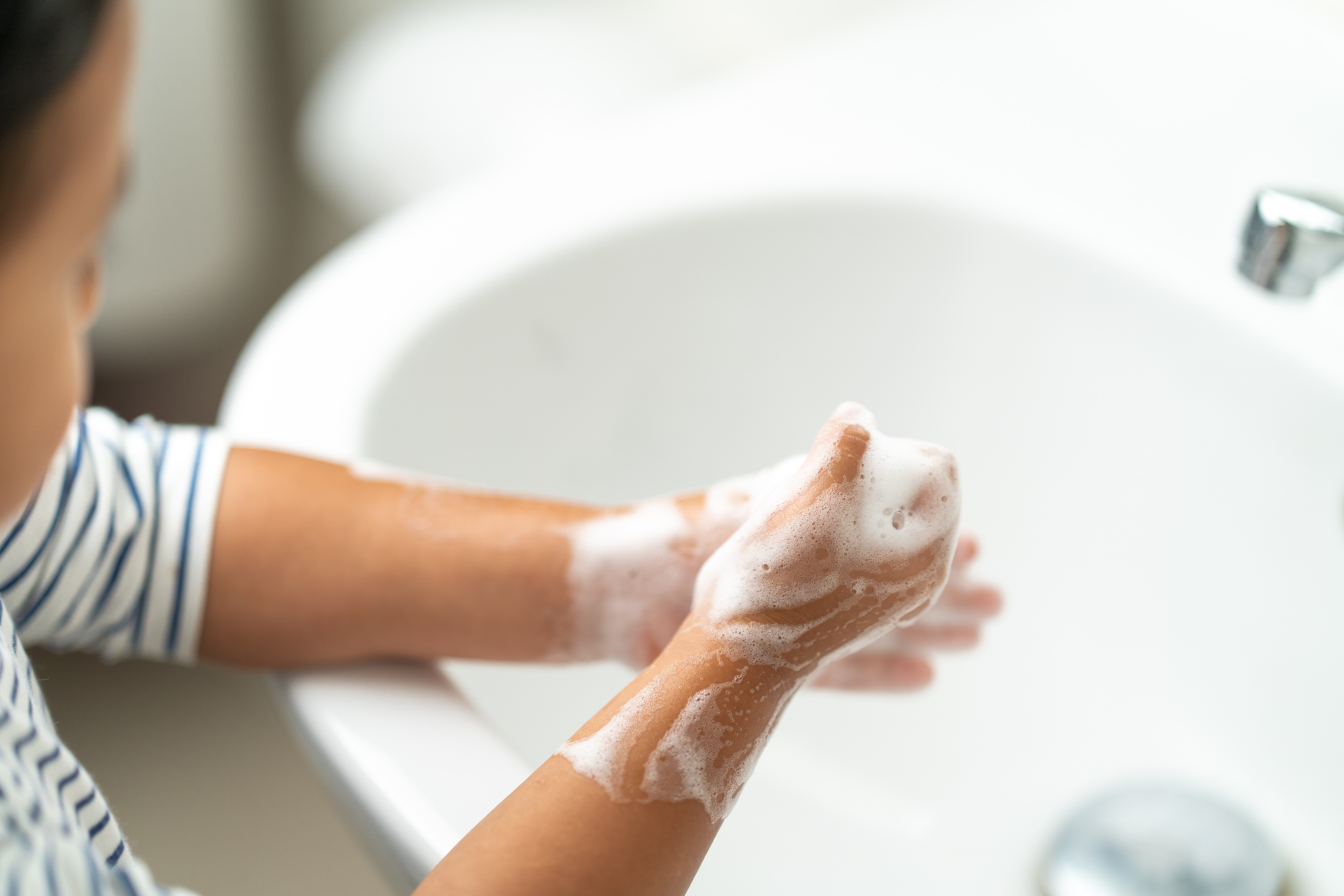
1. Wash Your Hands Frequently
Regular handwashing is one of the most effective ways to prevent the spread of respiratory viruses.
How to do it well:
- Use soap and water.
- Scrub for at least 20 seconds.
- Wash before eating, after using the bathroom, and after coughing or sneezing.
If soap and water aren’t available, use an alcohol-based sanitizer with at least 60% alcohol.
Why it helps:
Cold and flu viruses can survive on surfaces and spread when you touch your face after contacting contaminated objects.
2. Get the Seasonal Respiratory Virus Vaccines if Indicated
Vaccines are available against flu, COVID-19, and RSV. Immunization is one of the best ways to prevent severe illness from these viruses. Talk to your healthcare provider about which vaccines are recommended for you.
Why it’s important:
- Reduces the risk of illness.
- Helps protect vulnerable people, such as older adults, young children, and those with chronic conditions.
- Even if you get sick, the vaccine can make symptoms milder.
3. Boost Your Immune System with Healthy Habits
A strong immune system helps your body fight infections more effectively.
Healthy habits include:
- Sleep: Aim for 7–9 hours per night. Lack of sleep weakens immune response.
- Nutrition: Eat fruits, vegetables, and whole foods rich in vitamins.
- Hydration: Drink water regularly.
- Exercise: Aim for at least 150 minutes of moderate activity per week.
4. Practice Respiratory Hygiene
Respiratory viruses spread through droplets released when infected individuals cough, sneeze, or talk.
Protect yourself and others by:
- Covering coughs and sneezes with a tissue or your elbow.
- Throwing tissues away right after use.
- Avoiding close contact with people who are sick.
5. Keep Your Environment Clean
Viruses can survive on surfaces for several hours.
Tips:
- Clean frequently touched objects (door handles, phones, keyboards).
- Avoid sharing personal items like cups, towels, and utensils.
- Improve ventilation by opening windows or using clean air filters when possible.
6. Know When to Stay Home
If you develop symptoms such as fever, cough, sore throat, body aches, or fatigue, it’s safest to stay home until you’re feeling better.
Why it matters:
You’re most contagious during the first 3–4 days of illness.
Contact your healthcare provider to schedule an appointment for evaluation and treatment. While specific treatments are available for some respiratory viruses, supportive measures are beneficial for all respiratory infections. If you are experiencing a medical emergency go to the ER.
7. Consider Additional Protective Measures
Some people benefit from extra precautions, especially those with weakened immune systems or chronic illness.
These may include:
- Wearing a mask in crowded indoor settings.
- Avoiding close contact during peak illness periods.
- Discussing preventive antiviral medicine with a doctor if you’re at very high risk.
Takeaway
Staying healthy during respiratory virus season doesn’t require drastic changes—just consistent habits:
✔ Wash your hands
✔ Get vaccinated
✔ Support your immune system
✔ Practice good respiratory hygiene
✔ Clean shared surfaces
✔ Stay home when sick
These small steps can significantly reduce your chances of becoming ill and help protect your community.
References:
- Centers for Disease Control and Prevention [CDC](2024). About sleep. www.cdc.gov/sleep/about/index.html
- CDC. (2024). Hand hygiene frequently asked questions. www.cdc.gov/clean-hands/faq/index.html
- CDC. (2024). Hand sanitizer guidelines and recommendations. www.cdc.gov/clean-hands/about/hand-sanitizer.html
- CDC. (2025). Preventing respiratory illnesses. https://www.cdc.gov/respiratory-viruses/prevention/index.html