
Preventing Falls: How Your Healthcare Provider Can Help You Stay Safe and Steady
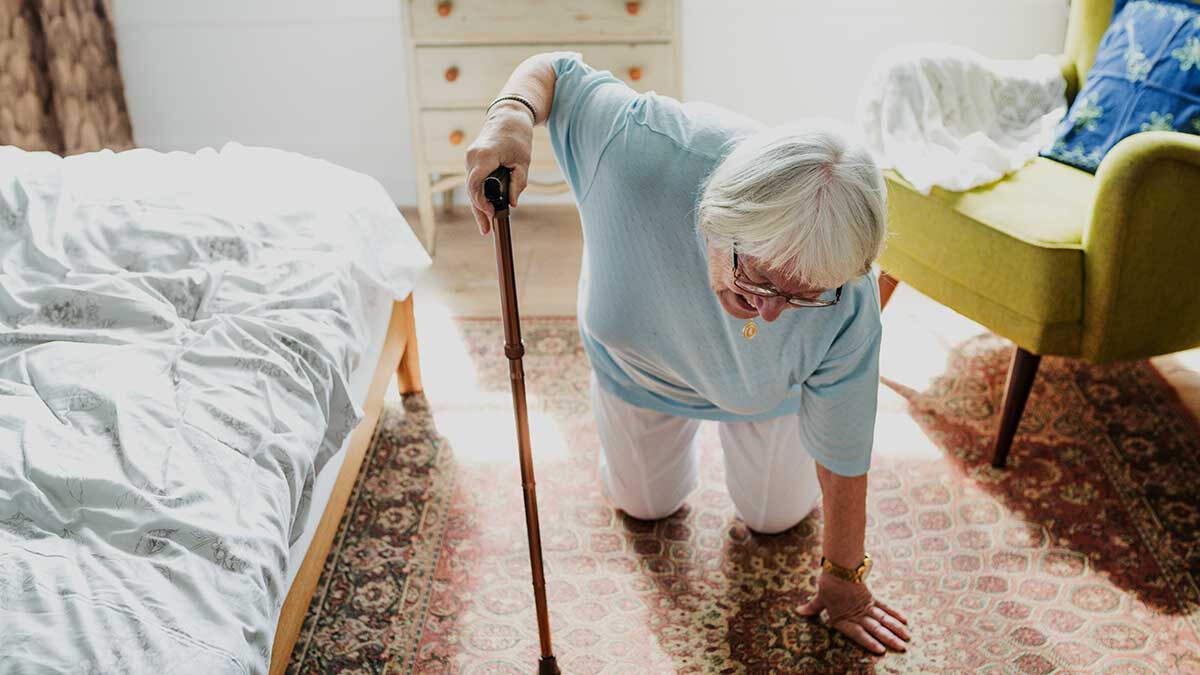
Falls are one of the leading causes of injury among older adults, but they’re not an inevitable part of aging. With the right preventive steps and healthcare support, fall risks can be significantly reduced—helping you or your loved ones maintain independence and quality of life.
Understanding the Risk
According to the Centers for Disease Control and Prevention (CDC), more than one in four older adults falls each year, and one out of five falls causes a serious injury such as a broken bone or head trauma1. Even without injury, a fall can lead to fear of falling, which may cause individuals to limit activities—leading to reduced mobility and increased isolation.
Common Fall Risk Factors
Several factors contribute to fall risk, including:
- Muscle weakness or balance problems
- Vision issues
- Medication side effects
- Environmental hazards at home (like loose rugs or poor lighting)
- Chronic conditions such as diabetes, arthritis, or neurological disorders
How Healthcare Providers Can Help
A trusted healthcare provider plays a vital role in identifying and managing your risk for falls. Here’s how they can support your safety:
1. Comprehensive Fall Risk Assessment
During routine checkups, your provider can assess your strength, balance, and walking ability. They may also ask about previous falls and evaluate your medications to determine if any may increase fall risk.
2. Personalized Exercise Programs
Healthcare providers often recommend physical therapy or specific exercise routines to improve balance, flexibility, and strength—key factors in fall prevention.
3. Vision and Hearing Checks
Poor vision and hearing can increase the likelihood of falls. Your provider can ensure you’re up to date with eye and hearing exams and make referrals to specialists if needed.
4. Medication Management
Some medications, especially sedatives or those that lower blood pressure, can increase dizziness or drowsiness. Providers can adjust your prescriptions to reduce these side effects safely.
5. Home Safety Recommendations
Providers may work with occupational therapists or refer you to fall prevention programs that include a home safety evaluation—offering tips like securing loose rugs, adding grab bars, or improving lighting.
Take the First Step Toward Fall Prevention
Fall prevention is a team effort, and it starts with a conversation. Talk with your healthcare provider about your risks and how to reduce them. It’s never too early—or too late—to take steps toward a safer, more confident future.
For more information or to schedule a fall risk assessment. Click here to easily find a Family Medical Centers provider by name, specialty, or the location most convenient for you.
References:
- Centers for Disease Control and Prevention. (2023). Important Facts about Falls. Retrieved from: https://www.cdc.gov/falls/facts.html