February is Heart Health Month: Take Charge of Your Heart

Every February, Heart Health Month reminds us of the importance of keeping our most vital organ in top shape. Heart disease remains the leading cause of death for men and women in the United States, but the good news is—it's often preventable. By making simple, everyday changes, you can protect your heart and live a longer, healthier life.
Why Heart Health Matters
Heart disease, including conditions such as coronary artery disease, heart failure, and arrhythmias, can affect anyone—regardless of age, gender, or background. While some risk factors like age and family history can’t be changed, many can be managed or even reversed through healthy lifestyle choices.
Top Tips for Preventing Heart Disease
- Eat a Heart-Healthy Diet
- Fill your plate with fruits, vegetables, whole grains, and lean proteins.
- Cut back on sodium, saturated fats, and added sugars.
- Choose healthy fats like those found in avocados, nuts, and olive oil.
- Stay Active
- Aim for at least 150 minutes of moderate-intensity aerobic activity each week.
- Walking, cycling, swimming, or even dancing can help keep your heart strong.
- Don’t forget strength training—twice a week is ideal.
- Know Your Numbers
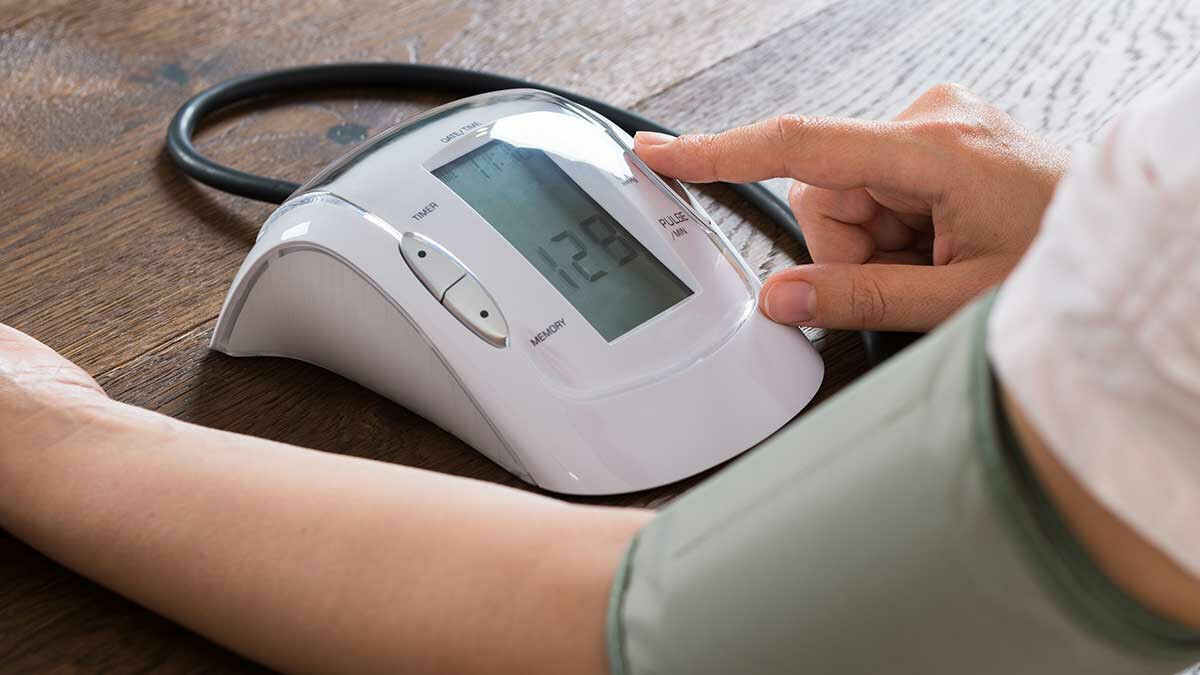
- Regularly check your blood pressure, cholesterol, and blood sugar levels.
- Discuss results with your healthcare provider and follow their advice for keeping these numbers in a healthy range.
- Quit Smoking and Limit Alcohol
- Smoking is one of the top risk factors for heart disease. Quitting greatly reduces your risk.
- Keep alcohol intake in moderation—no more than one drink per day for women and two for men.
- Manage Stress
- Chronic stress can take a toll on your heart.
- Practice relaxation techniques such as deep breathing, meditation, yoga, or simply taking time for yourself.
- Get Enough Sleep
- Poor sleep habits can increase your risk of heart issues.
- Aim for 7–9 hours of quality sleep each night.
Spot the Warning Signs
Understanding the symptoms of heart disease can help you act quickly in an emergency. Common signs of a heart attack include:
- Chest discomfort or pain
- Shortness of breath
- Nausea or lightheadedness
- Pain in the jaw, neck, or arms
If you or someone near you experiences these symptoms, call 911 immediately.
Small Steps, Big Impact
Heart disease prevention is a lifelong journey, but it starts with small, intentional steps. Whether you’re making changes for yourself or encouraging a loved one, Heart Health Month is the perfect time to start new habits.
Take the First Step Today
Speak with your healthcare provider about your heart health. Schedule a wellness checkup, get your numbers checked, and ask how you can lower your risk.
Together, let’s make heart health a priority—not just in February, but all year long.
Reference:
U.S. Department of Health and Human Services. (2024). Keep your heart healthy. https://odphp.health.gov/myhealthfinder/health-conditions/heart-health/keep-your-heart-healthy